Buddy Training vs. Working Out Alone: What Makes the Difference?
One of the biggest obstacles to a consistent workout routine is not knowing what exercise to do. It is actually showing up when the day is busy, the weather is uninviting, or motivation has disappeared.

One of the biggest obstacles to a consistent workout routine is not knowing what exercise to do. It is actually showing up when the day is busy, the weather is uninviting, or motivation has disappeared. Training with a friend can help, but the value of buddy training goes beyond having someone beside you. Done well, it combines shared accountability with a plan that still respects individual goals.
If you are comparing buddy training with working out alone, consider how each approach affects your consistency, confidence, and access to coaching. Some people genuinely prefer independent workouts. Others do better when a partner expects them to be there. Neither preference is wrong, but understanding yours can prevent you from repeatedly choosing a routine that does not fit.
What is buddy training?
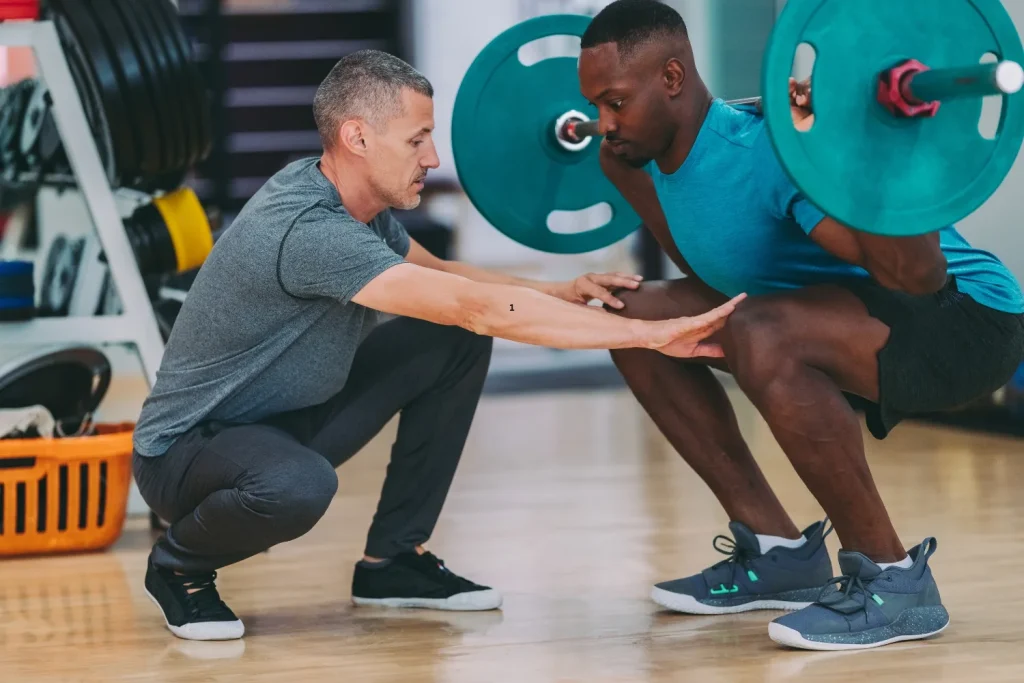
Buddy training generally means two people participating in a coached session together. Depending on the gym, the partners may complete similar exercises with different weights, repetitions, or movement options. The coach's job is to provide structure and instruction while helping each person work at an appropriate level. It should not become a competition that ignores differences in fitness or experience.
That distinguishes buddy training from two friends arriving at an open gym and improvising a workout. Exercising beside someone can be enjoyable, but without a clear plan it is easy to spend more time deciding what to do than doing it. A coached session gives both participants a direction while leaving room for individual adjustments.
Accountability that exists outside the gym
When you train alone, missing a workout may affect only you. When you and a partner agree to meet, there is another person involved in the commitment. That social expectation may be useful on days when you would otherwise postpone. The strongest partnerships are supportive rather than controlling: you communicate, make a plan, and encourage each other to follow through.
Set expectations in advance. Decide how often you will train together, what happens if someone needs to reschedule, and how much advance notice you should give. A simple agreement prevents unnecessary frustration. If your schedules rarely overlap, buddy training may be less convenient than individual sessions or coach-led group classes.
Confidence for someone who is new
Walking into a new fitness environment can feel uncomfortable, especially when you do not know the equipment or the exercises. A familiar face can reduce that first-day uncertainty. You can learn the routine together, celebrate small improvements, and ask questions you might otherwise keep to yourself.
A good training partner does not need to be at the same level as you. What matters is that they respect your pace and goals. If one person is returning after a long break while the other has exercised for years, each should have appropriate work to complete. A coach can help keep the focus on safe movement and gradual progress, not matching numbers.
How buddy training compares with solo workouts
Working out alone offers flexibility. You can often change your workout time without coordinating with anyone. You may also prefer the quiet focus of independent exercise. That can be an excellent fit for experienced people who know how to organize their sessions and stay consistent. The tradeoff is that all the planning and follow-through rest on you.
Buddy training introduces shared scheduling and potential encouragement. It can make a difficult workout feel more manageable because someone else understands the effort involved. The tradeoff is that mismatched schedules, goals, or personalities can create complications. The right question is not which style looks more disciplined. It is which structure helps you reliably complete appropriate exercise.
Choose a partner for habits, not fitness level
A dependable partner is more valuable than a highly experienced one who rarely attends. Look for someone who arrives on time, communicates clearly, respects coaching instructions, and supports your goals. Avoid turning every workout into a contest, particularly if the two of you have different abilities. Encouragement should help each person progress, not pressure them into unsafe choices.
You can also agree on shared goals without requiring identical results. Both partners might aim to attend eight sessions during a month, while one focuses on improving strength and the other on general conditioning. Tracking the shared habit gives you something meaningful to celebrate together.
Can buddy training replace personal training?
It depends on what you need. One-on-one personal training offers more dedicated attention to one person's program and technique. Buddy training shares that attention between two participants but may provide extra social motivation. If you are managing complex movement limitations or pursuing a highly specific performance target, ask whether individual sessions would serve you better.
At I Already Won Fitness, buddy training sits alongside personal training, small-group training, and group fitness. The options are designed for different needs, so there is no reason to force every member into the same format. Learn about the gym's coaching philosophy on its About Us page.
A simple way to start together
Choose two days you can both protect for the next four weeks. Discuss what you each want from training. Ask the coach how exercises will be adapted if your experience differs. Record attendance and a few practical markers of progress, such as increased confidence, better technique, or the ability to complete the scheduled sessions without repeatedly canceling.
After a month, review whether the partnership is helping. Are you both showing up more often? Do the sessions fit your schedules? Are you getting the coaching attention you need? If the answer is yes, keep going. If not, adjust the arrangement. The purpose of buddy training is progress, not staying tied to a format that no longer works.
Train together at I Already Won Fitness
If you have a friend or family member who wants to build a consistent routine with you, ask about buddy training at IAWF in Charlotte. Contact the I Already Won Fitness team to discuss goals, coaching options, and scheduling. Find the studio at 901 N Tryon Street, Suite D, and bring a partner who is ready to keep showing up.