Strength Training for Beginners: Where to Start and What to Avoid
Strength training can look complicated from the outside. There are machines, free weights, unfamiliar exercise names, and people lifting amounts that may seem impossible.
Strength training can look complicated from the outside. There are machines, free weights, unfamiliar exercise names, and people lifting amounts that may seem impossible. None of that is a requirement for getting started. For a beginner, the first priority is learning a few basic movement patterns, practicing them consistently, and gradually increasing the challenge when the movements feel controlled.
If you are looking for beginner strength training in Charlotte, you do not need a six-day program or an expensive collection of equipment. You need a realistic schedule, exercises you can perform appropriately, and a way to track progress. A coach can help with those decisions, especially if you have little experience or feel unsure about technique.
What counts as strength training?
Strength training is activity that makes your muscles work against resistance. That resistance might come from your bodyweight, dumbbells, resistance bands, machines, or other equipment. A bodyweight squat, a push-up against a wall, and a weighted row can all be strength exercises when performed with an appropriate level of effort.
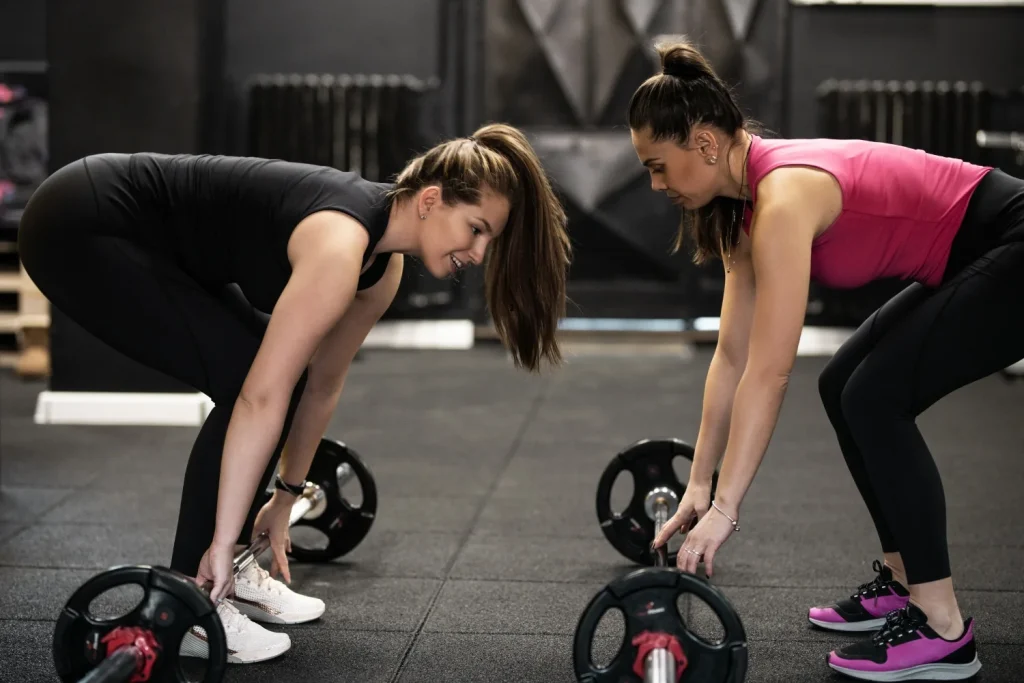
A balanced plan considers major movement patterns: squatting, hinging at the hips, pushing, pulling, and stabilizing the trunk. Not every workout needs every pattern, but your overall routine should avoid focusing only on the muscles you see in the mirror. Strength, stability, and movement confidence develop through varied, consistent work.
Begin with movements you can control
The first version of an exercise should let you practice good technique without fighting the load. You might start with a sit-to-stand movement before a deeper squat, or use an incline push-up instead of a floor push-up. For pulling exercises, a resistance band or suitable machine can help you learn how to move your shoulder blades and arms together.
Ask yourself three questions during each set. Can I move through the intended range without sharp pain? Can I keep control of the weight? Could I repeat this movement with similar technique? If the answer changes halfway through, reduce the resistance or repetitions. Training should be challenging enough to create progress but not so demanding that every repetition becomes uncontrolled.
How many days per week should beginners lift?
The CDC recommends muscle-strengthening activity at least two days each week. For beginners, two nonconsecutive sessions can be a practical way to start. Some people may progress to three sessions once they understand the exercises and recover well. The number of days should follow your capacity and goals, not someone else's social media schedule.
A simple two-day plan could include a squat variation, a hinge movement, a push, a pull, and a controlled core exercise. The second day can use similar movement categories with different variations. Ask a qualified coach to help select an appropriate number of sets, repetitions, and resistance for your starting point. The goal is repeated quality practice, not exhaustion.
How to tell when you are getting stronger
Progress does not always require heavier weights every session. You may first notice improved balance, smoother technique, or greater control through a full movement. Later, you might complete an extra repetition at the same weight or increase the load without sacrificing form. Recording a few details after each workout helps you notice those changes.
Use a simple training log with the exercise, weight or resistance, repetitions, and how difficult the set felt. Avoid comparing your numbers with someone else's. Different body sizes, training histories, and goals make those comparisons less useful than your own improvements over time.
Common mistakes that slow down progress
The first mistake is doing too much too soon. Adding weight, frequency, and exercise complexity all at once makes it harder to understand what your body tolerates. The second is changing your program every workout. Variety can make training interesting, but you still need enough repetition of familiar movements to learn and improve them.
Another mistake is skipping recovery. Sleep, regular meals, and easier days help you return prepared for the next session. Finally, do not assume that soreness proves a workout was productive. You can get stronger without feeling unusually sore. Consistent practice and gradual progress are better indicators.
Should you lift weights if your goal is weight loss?
Strength training can be a valuable part of a weight-management routine because it helps develop and maintain muscle function while you improve overall activity habits. However, it does not replace nutrition choices, sleep, or other physical activity. A well-rounded plan is more useful than relying on one workout type for every result.
If you also want conditioning, combine suitable strength work with walking or other aerobic activity across the week. Ask your coach how sessions should be balanced so that every day is not a demanding strength day followed by equally demanding cardio. More exercise is not automatically better if it interferes with recovery and consistency.
When a personal trainer can help
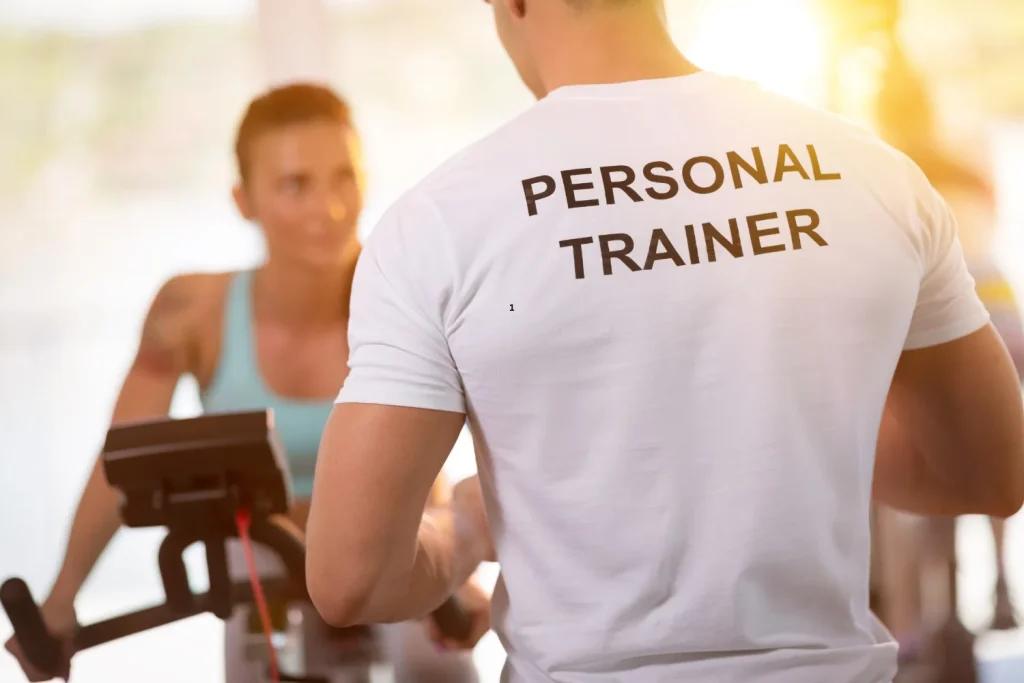
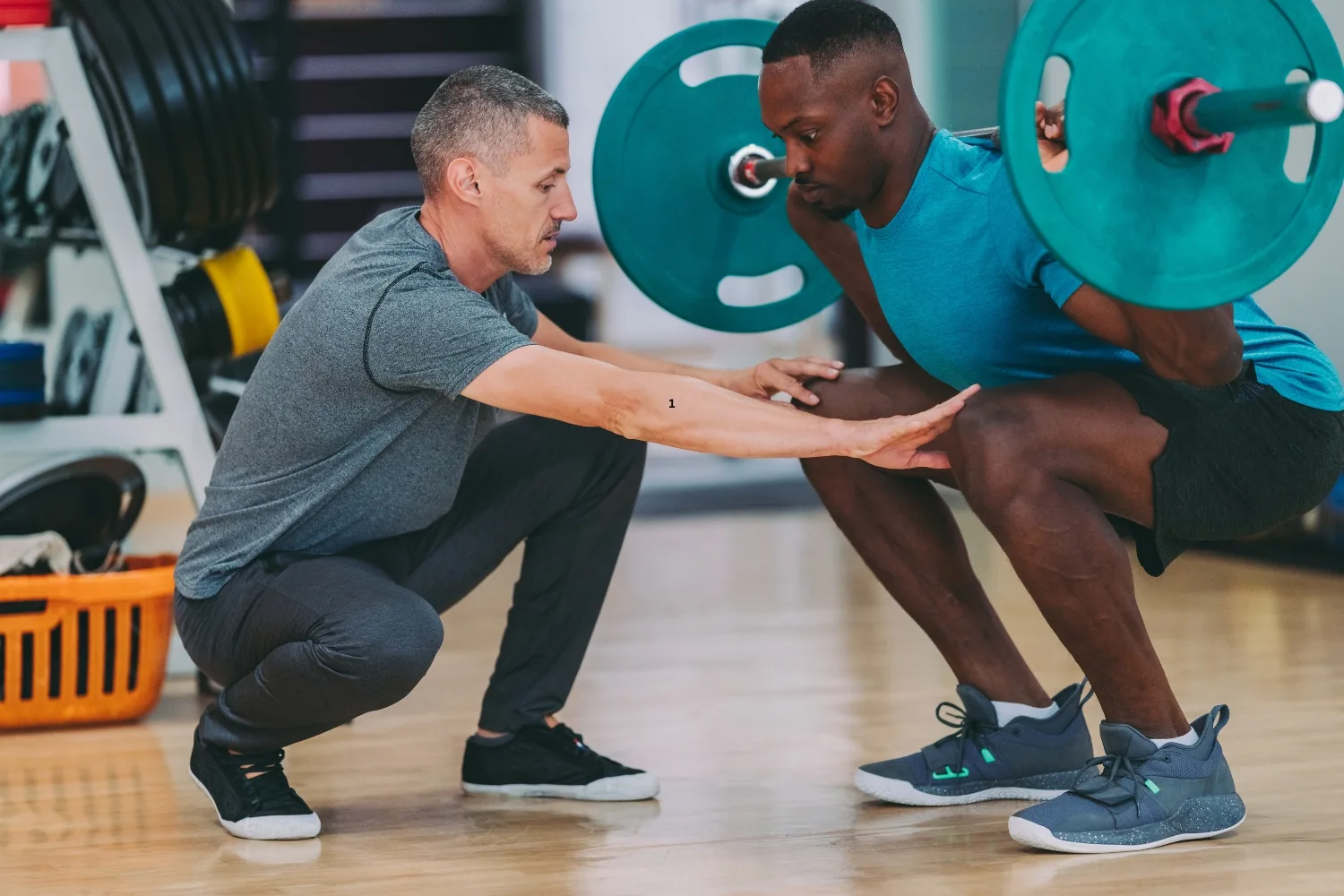
A personal trainer is useful when you want guidance choosing exercises, understanding technique, and planning progression. That is particularly relevant if you are brand new or have spent months starting and stopping on your own. A trainer can also help you identify whether group sessions, small-group training, or individual sessions match your learning style.
At I Already Won Fitness, coaching is central to the training experience. The studio offers personal training and coached group options in Uptown Charlotte, with an emphasis on accountability and building consistent habits. You do not need to arrive knowing the correct names for every movement. You need to be willing to learn and communicate what you are working toward.
Start building strength at I Already Won Fitness
Your first strength-training goal can be straightforward: learn the movements, attend your sessions, and leave with a plan for the next week. Contact I Already Won Fitness to discuss beginner-friendly coaching and the training format that fits your goals. Visit the team at 901 N Tryon Street, Suite D, Charlotte, NC 28206.