How to Meal Prep for a Busy Week Without Eating the Same Thing Every Day
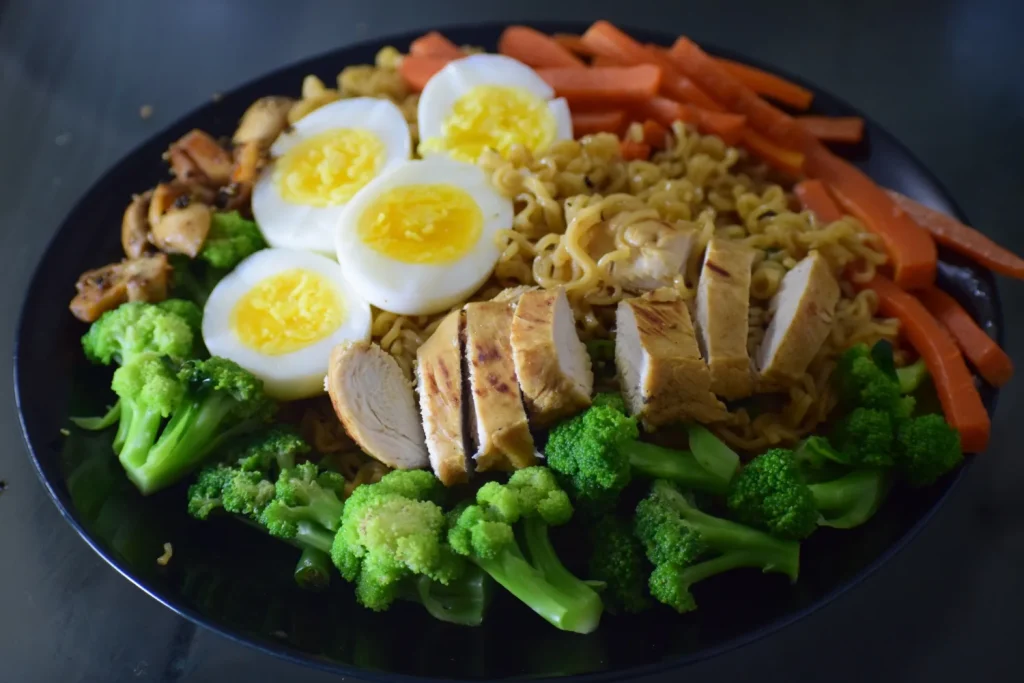
Meal prep has a reputation for rows of identical containers filled with chicken, rice, and broccoli. That works for some people, but it is not the only way to prepare food ahead of time.
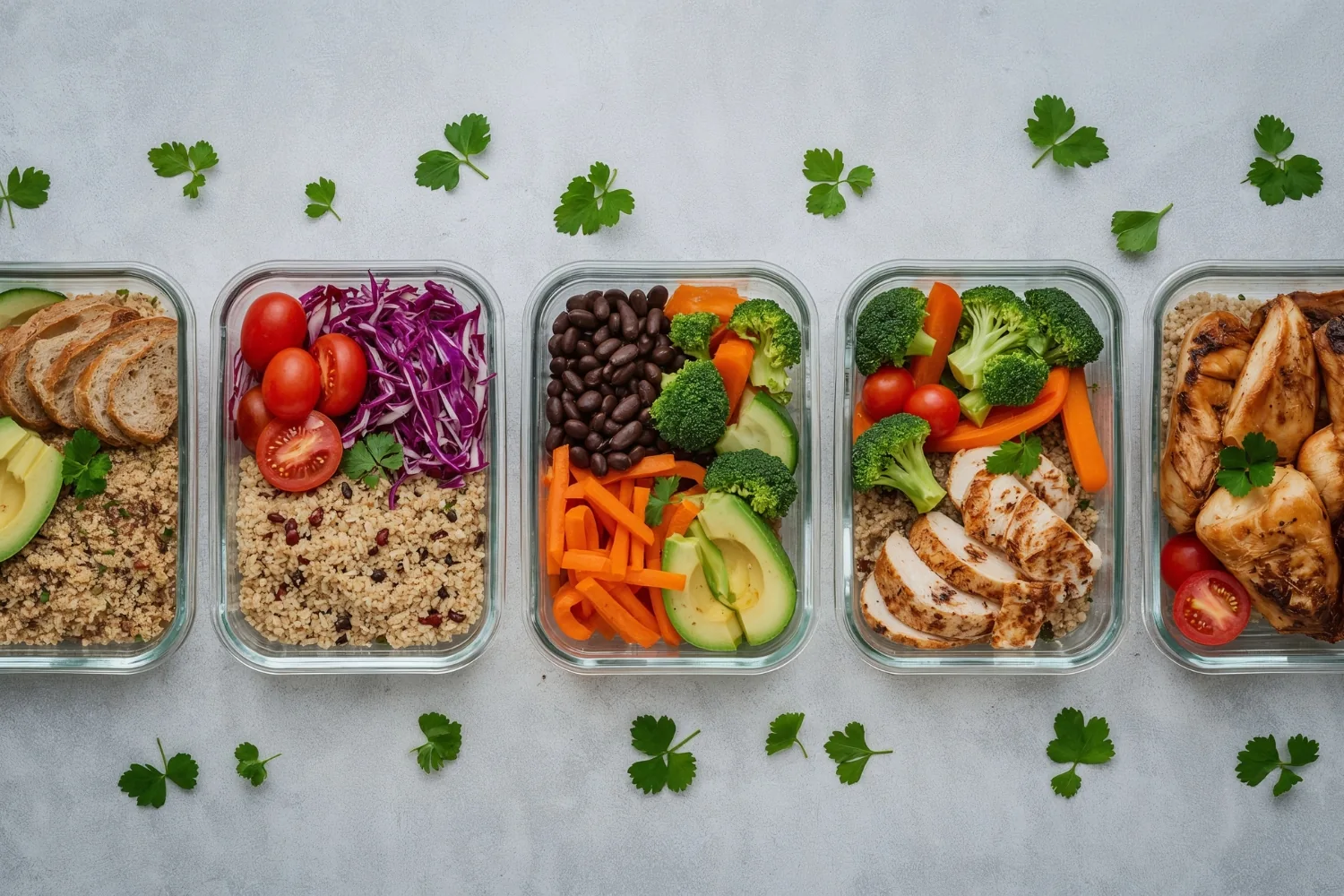
Meal prep has a reputation for rows of identical containers filled with chicken, rice, and broccoli. That works for some people, but it is not the only way to prepare food ahead of time. If you are juggling work, family, commuting, and workouts in Charlotte, the goal is to make weekday meals easier without turning Sunday into a second full-time job.
A useful meal-prep routine should save decisions, reduce food waste, and help you eat meals you actually enjoy. You do not need to cook every dish for the entire week at once. Start with a few versatile ingredients, decide where you need the most help, and leave space for your schedule to change.
Start with your busiest meal, not your whole week
Before making a grocery list, look at the next five days. When will you be away from home? Which nights have a late meeting, family commitment, or training session? Are mornings calm while lunches are chaotic, or is breakfast the meal you regularly skip?
Pick one meal to make easier. If lunch is your biggest challenge, preparing three lunches may be more helpful than cooking an elaborate breakfast, lunch, and dinner for all seven days. If you take an early workout class, you might prepare a couple of quick breakfasts and leave dinners flexible. The best meal-prep plan solves an actual problem in your routine.
Write down how many meals you realistically need. If you already know you will eat out on Friday, do not shop for a dinner that will sit untouched in the refrigerator. Planning around real commitments is a simple way to waste less money and food.
Build meals from interchangeable components
Instead of making five identical dishes, prepare a few components you can combine differently. Choose one or two proteins, a carbohydrate source, vegetables, and a few flavorful extras. These could be chicken or beans, rice or potatoes, roasted vegetables, salad greens, and a sauce or seasoning you enjoy.
From the same ingredients, you can assemble a rice bowl, wrap, salad, or warm plate. Change the seasoning or add a different vegetable to make each meal feel distinct. This approach also helps when household members have different preferences. Everyone can use the same basic ingredients without eating an identical plate.
Create a two-hour prep routine you can shorten
A productive prep session does not have to last all afternoon. Start by washing produce, cooking one protein, preparing a grain or potato, and portioning easy snacks. You can use a sheet pan for vegetables while another dish cooks. Keep cleanup manageable by choosing recipes that share equipment or preparation steps.
If you only have 30 minutes, do a smaller version. Wash fruit, prepare overnight oats, boil eggs, or portion ingredients for tomorrow's lunch. Freezing a few meals when you have extra time is another option. A smaller habit repeated every week can be more effective than an ambitious plan you abandon after the first attempt.
Convenience foods can help. Prewashed greens, frozen vegetables, canned beans, and plain microwaveable rice are all practical options. Meal prep is a tool for making food accessible, not a test of whether you make every ingredient from scratch.
Keep variety without buying too many ingredients
Variety often comes from small changes. A roasted protein can become a taco bowl one day and a sandwich the next. Use different sauces, herbs, citrus, or seasonings to change the flavor. Alternate hot and cold meals. Keep one backup pantry dinner for nights when your schedule changes.
You can also plan two cooking sessions instead of one. Prepare food on Sunday for the first half of the week, then make a smaller batch midweek. This reduces the pressure to predict exactly what you will want to eat on Saturday when it is still Sunday morning.
Another useful approach is assigning meals a role rather than a specific recipe. Monday may be a quick bowl, Tuesday a wrap, and Wednesday a simple sheet-pan dinner. That gives structure while preserving choice.
Follow basic food-safety rules
Meal prep only helps if the food is stored safely. Refrigerate perishable cooked food promptly in clean, shallow containers, and keep your refrigerator at a safe temperature. The USDA advises that most properly refrigerated leftovers be used within three to four days. Freeze portions you do not plan to eat in that window rather than leaving them in the refrigerator all week.
Use separate cutting boards and utensils for raw foods and ready-to-eat items, and cook foods to appropriate temperatures. Let common sense guide portions as well. Food that has been left sitting out for too long should not be treated as safe merely because it still looks and smells normal.
Prep for your training schedule
If you attend a class before work, breakfast may need to be portable. If you train after work, a planned afternoon snack could make it easier to arrive fueled. A post-workout dinner does not need to be complicated. A protein, carbohydrate, and vegetable combination you already prepared can save you from scrambling for food late in the evening.
Avoid using meal prep as a way to dramatically restrict food while increasing your workouts. Your activity requires energy. Build a routine that supports the training you do and makes it easier to recover. If you have specific performance, medical, or dietary requirements, seek qualified individual guidance.
I Already Won Fitness in Uptown Charlotte connects coached training with nutrition support. The gym's Nutrition Coaching page explains how Organic Crissy works with clients on meal plans, structure, and accountability.
Keep the routine flexible when life happens
You may miss a prep day, change plans, or decide you do not want the meal you packed. That does not mean the week is ruined. Keep a short list of reliable backup meals from your pantry, freezer, or nearby grocery store. Use what you have rather than automatically starting over with a completely new shopping list.
At the end of the week, review what you actually ate. Which meals worked? What spoiled? What took too long? Change one thing for next week. Meal prep should become easier with practice, not more restrictive.
Make nutrition work with your life
The most useful meal-prep plan is the one you can repeat through busy weeks and active weeks alike. If you want individualized guidance that fits your schedule and fitness goals, contact I Already Won Fitness about nutrition coaching and training support in Charlotte at 901 N Tryon Street, Suite D.