Nutrition Coaching vs. Meal Plans: What’s the Difference?
It is easy to download a meal plan. A quick search will give you breakfast, lunch, dinner, snacks, and a grocery list for nearly any fitness goal.

It is easy to download a meal plan. A quick search will give you breakfast, lunch, dinner, snacks, and a grocery list for nearly any fitness goal. Following that plan for more than a few days is a different matter. Your schedule changes, food preferences matter, and a plan that looks simple on Sunday may be difficult to maintain by Thursday.
That is where the difference between a meal plan and nutrition coaching becomes important. A meal plan tells you what you might eat. Nutrition coaching helps you make decisions, develop habits, and adjust when real life gets in the way. If you are exploring nutrition coaching in Charlotte, understanding that difference can help you choose the support you actually need.
What does a meal plan provide?
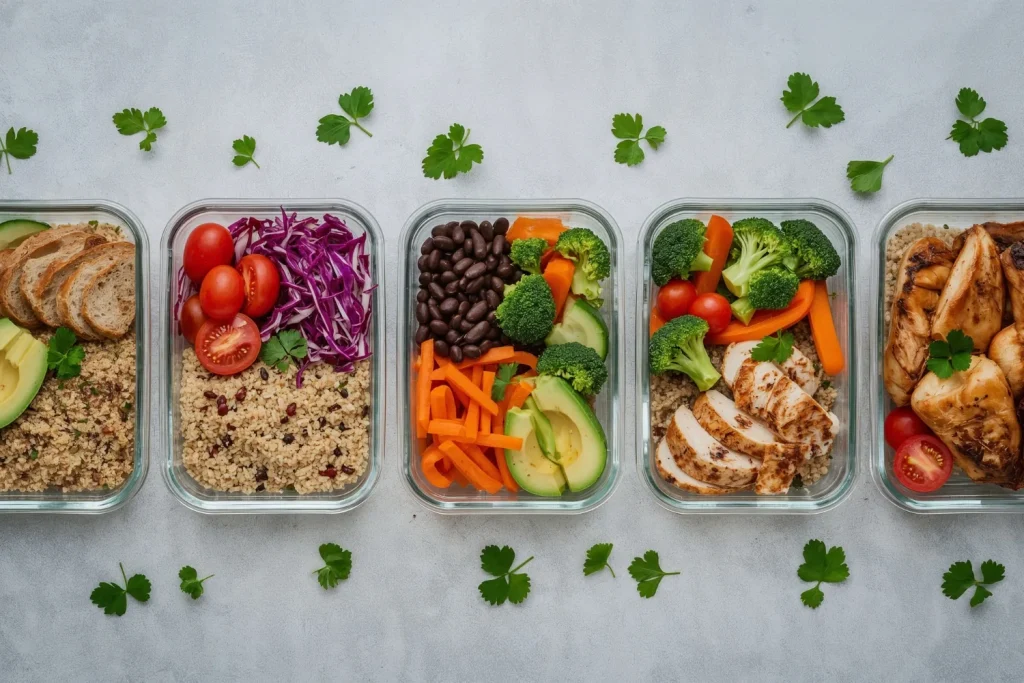
A typical meal plan organizes food choices over a set number of days. It may list meals, portions, ingredients, and shopping instructions. That structure can be useful if you feel overwhelmed deciding what to prepare or want to reduce the number of last-minute food decisions during the week.
The downside is that a meal plan may assume you have a certain budget, kitchen, schedule, appetite, and food preference. A generic plan cannot know that you work late on Wednesdays, dislike reheated fish, share groceries with a family, or need portable meals between meetings. When a plan ignores those realities, following it can become difficult even if the meals themselves are nutritious.
What does nutrition coaching add?
Nutrition coaching is an ongoing process of learning about your goals, reviewing your habits, building practical strategies, and checking whether those strategies work. Depending on the coach's role and qualifications, this may include meal planning, food-choice education, accountability, shopping routines, and adjustments based on the client's experience.
For example, a coach may discover that you regularly skip lunch before an evening workout. The immediate solution may not be a complicated nutrition overhaul. It may be identifying two lunches you can prepare quickly and one backup option near work. The coaching is useful because the recommendation addresses a habit that repeatedly affects your day.
Good coaching should also create room for feedback. If a suggested breakfast leaves you hungry an hour later or a meal-prep routine takes too long, you should be able to discuss the issue and revise the approach.
What should a useful nutrition conversation cover?
A productive first conversation should start with your goal and your current reality. Are you trying to become more consistent with meals, support strength training, improve energy for workouts, or understand how to eat around a changing work schedule? What is already going well, and where do you struggle?
A coach should ask about food preferences, shopping and cooking habits, eating times, and any limitations that affect your routine. They should not assume every client needs the same number of meals or follows the same diet. Expectations should be realistic. You should also understand how often you will communicate, what the coach will review, and what happens when a plan needs adjustment.
Nutrition coaching for general fitness is not the same as medical nutrition therapy. If you have diabetes, kidney disease, an eating disorder, significant allergies, or another condition requiring specialized treatment, work with an appropriately qualified healthcare professional or registered dietitian for that care.
Meal plans can still be part of coaching
The two approaches are not opposites. A customized meal plan can be a valuable tool within a larger coaching relationship. It offers a starting structure, while conversation and follow-up help keep the structure realistic. The plan might change as your schedule, training demands, preferences, and progress change.
At I Already Won Fitness, Organic Crissy describes her approach as building personalized weekly meal plans and providing accountability and adjustments. That combination is more involved than handing every client the same downloadable menu. You can read about her approach on the gym's Nutrition Coaching page.
The important question is not whether a coach uses meal plans. It is whether the plan reflects you and whether you understand what to do when a week does not go as expected.
What if you want to lose fat or build muscle?
These goals often lead people to search for rigid diets. Yet your training schedule, total food intake, protein sources, and long-term consistency all matter. Someone focusing on strength may need guidance eating enough to recover. Someone working on body composition may need help creating sustainable meals and recognizing patterns rather than following short-term restrictions.
Be cautious of promises that a particular menu guarantees a number on the scale by a specific date. The body responds to many factors, and progress is rarely perfectly linear. A useful coach can help you identify behaviors you can influence and select ways to assess progress beyond one weigh-in.
The CDC's healthy-meals guidance supports practical food choices such as varied protein foods, vegetables, fruit, whole grains, and nutritious fats. Those are building blocks, not a requirement to eat identical meals every day.
How to tell whether a plan is working
Evaluate the plan by asking practical questions. Can you afford the groceries? Do you enjoy enough of the meals to repeat them? Can you eat appropriately around training? Are you able to follow the routine when your week changes? Does the approach help you feel more organized without turning food into a source of constant stress?
Questions to ask before choosing a nutrition coach
Ask what the coaching includes, how meal recommendations are developed, how frequently plans are updated, and how you share feedback. Find out whether the coach works with your food preferences, whether sessions connect to your training goals, and how the scope of coaching is explained. You should feel comfortable asking questions rather than feeling pressured into a plan you do not understand.
If you are also exploring fitness training in Charlotte, ask how your workout schedule and nutrition guidance can support one another. A plan that considers both may be easier to follow than two unrelated sets of instructions.
Explore nutrition coaching at I Already Won Fitness
A meal plan can help you decide what to eat this week. Coaching can help you build the skills to make those decisions for the long term. If you want guidance from a team that connects nutrition with training, contact I Already Won Fitness and ask about Organic Crissy's nutrition coaching at the gym's Uptown Charlotte location, 901 N Tryon Street, Suite D.