What to Eat Before and After a HIIT Workout
A demanding workout can make you think the solution is a special shake, a strict meal plan, or a list of foods you can never eat. Most people do not need any of those things to prepare for a high-intensity interval training session.
A demanding workout can make you think the solution is a special shake, a strict meal plan, or a list of foods you can never eat. Most people do not need any of those things to prepare for a high-intensity interval training session. The practical questions are easier: Have you eaten enough to feel ready? Have you given your meal time to settle? And do you have a reasonable plan for eating and drinking afterward?
If you attend HIIT classes in Charlotte before work, during lunch, or after a full day on your feet, those answers may look different. Your meal timing should match your schedule, your digestion, and the amount of exercise you are doing. Here is a straightforward way to think about fueling your next class.
Understand what HIIT asks of your body
HIIT alternates more demanding efforts with periods of recovery or easier movement. Depending on the class, you may perform squats, presses, short conditioning intervals, and other coached exercises. Those efforts use energy, and carbohydrates are an important source of fuel for working muscles. Protein supports the body's ongoing repair and maintenance processes.
What should you eat two to three hours before class?
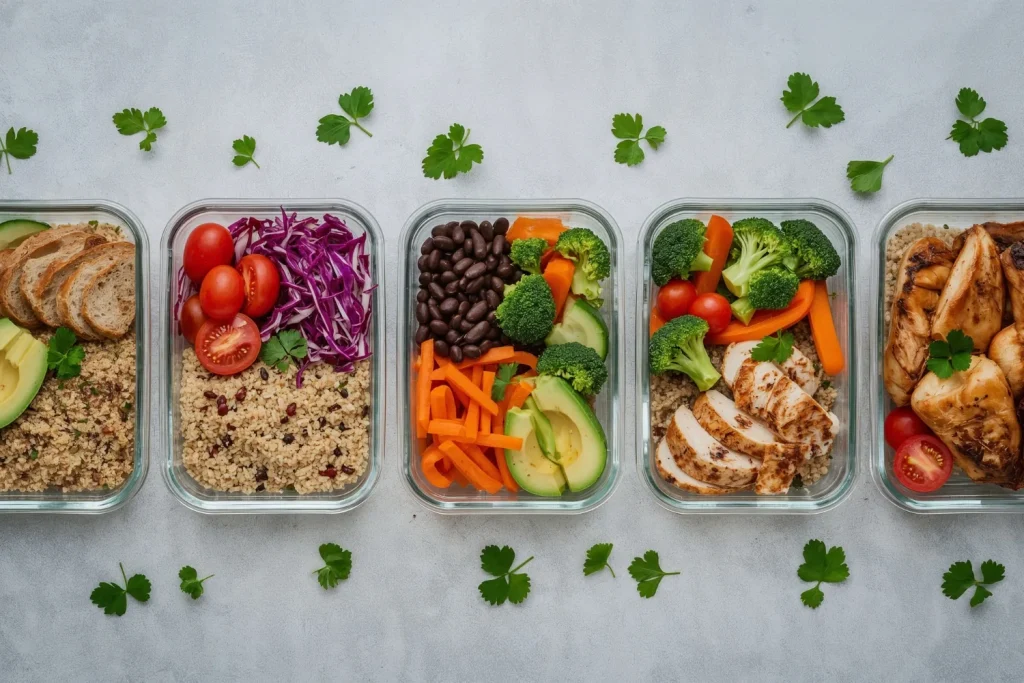
When you have enough time before training, choose a familiar, balanced meal that provides carbohydrates and a moderate amount of protein. A chicken-and-rice bowl with vegetables, a sandwich with fruit, or oatmeal with yogurt may work well. You do not need to eat all of these foods, and you do not need to measure every ingredient. The point is to arrive feeling fueled rather than overly full.
Portion size matters because exercise can be uncomfortable when you have recently eaten a heavy meal. If your usual lunch is large, schedule it earlier or make the portion smaller before training. Meals high in fat or fiber may take longer to digest for some people. Pay attention to your own response rather than assuming one rule works for everybody.
The American Heart Association's exercise-fueling guidance emphasizes carbohydrate-containing foods, hydration, and finding an approach your body tolerates.
What if you train early and cannot eat a full meal?
If you take an early morning class, you may not want breakfast two hours beforehand. A smaller snack can be more realistic. Try something familiar and easy to digest, such as a banana, toast, or a modest serving of yogurt. Give yourself enough time to feel comfortable. People differ in how much food they want before morning exercise.
You also do not have to force a snack if a brief, appropriately paced session feels comfortable without one. However, if you frequently feel weak, lightheaded, or unusually fatigued, reconsider your fueling routine and discuss persistent symptoms with a healthcare professional. The goal is to support the workout, not prove you can get through it on as little food as possible.
For evening classes, the opposite challenge is common. You may have eaten lunch several hours earlier and arrive hungry. Planning a small afternoon snack can prevent the end of the workday from becoming an excuse to skip training.
What should you drink before and during HIIT?
Water is a reasonable starting point for most ordinary gym sessions. Drink fluids across the day and bring a bottle to class. You do not need to consume a huge amount immediately beforehand. During training, take sips when needed, especially in a warm room or during demanding intervals.
Some workouts, health conditions, or prolonged heavy sweating may require a more individual hydration strategy. Sports drinks are not automatically necessary for every short class, and they are not automatically wrong either. What matters is the duration and intensity of the activity, the conditions, and your needs. If you have a condition that affects fluid or electrolyte balance, follow guidance from your clinician.
What should you eat after your workout?
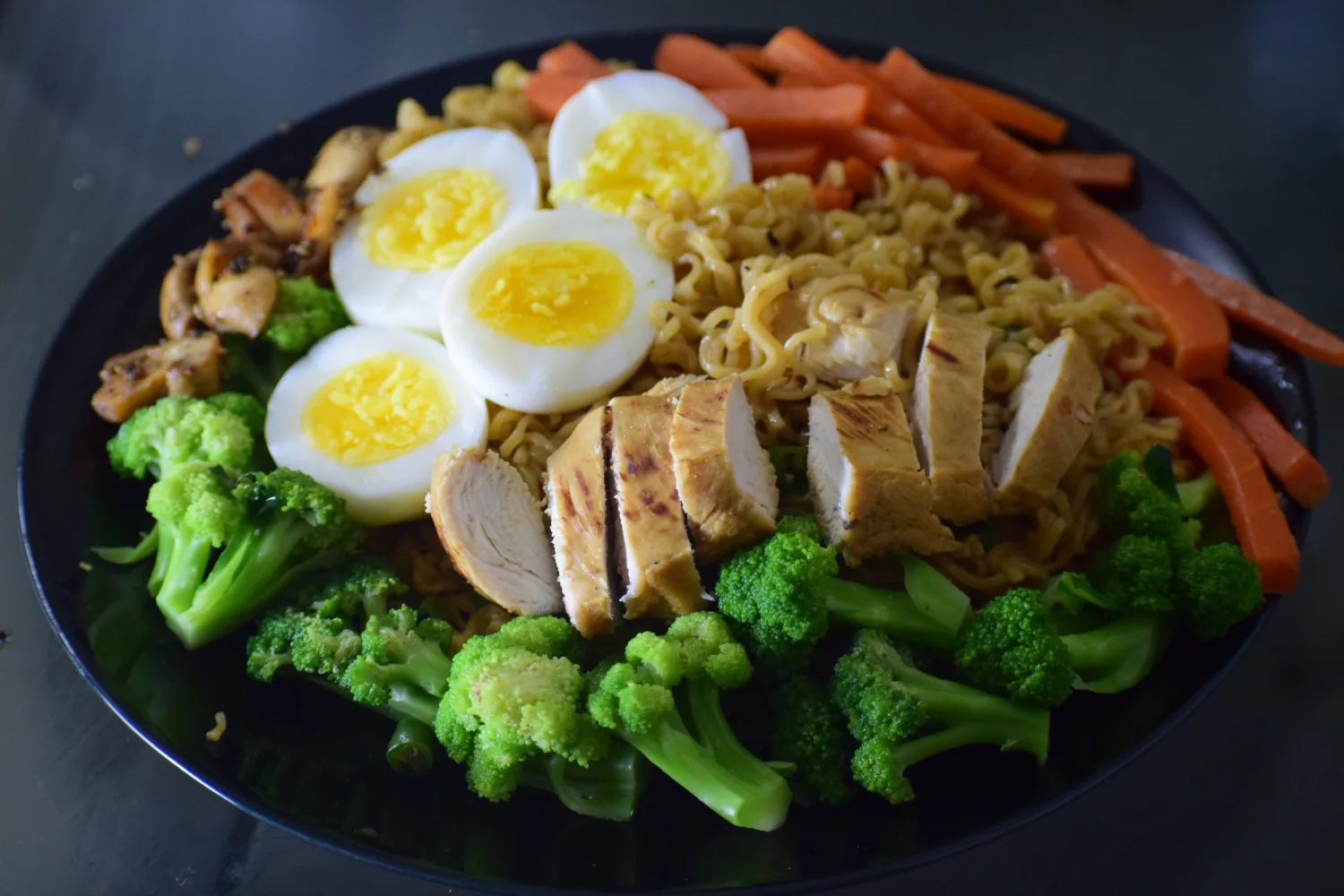
After class, aim to have a satisfying meal or snack with protein and carbohydrates. For example, you could choose eggs with toast and fruit, a rice bowl with beans and chicken, Greek yogurt with oats, or a sandwich with a side of fruit. These foods help replenish energy and contribute to recovery while fitting into a normal routine.
There is no requirement to buy a branded recovery product. A shake can be convenient when you are short on time, but ordinary foods can meet the same general purpose. The Academy of Nutrition and Dietetics also describes the value of carbohydrate and protein after exercise.
Avoid these common fueling mistakes
Skipping meals all day because you plan to train later can leave you underprepared. Eating an unusually large meal just before a vigorous session can be uncomfortable. Another mistake is trying a new supplement, energy drink, or unfamiliar food on the day of a difficult workout. Test what works during normal routines instead.
Be cautious with the idea that a hard class gives you permission to ignore hunger or that you must “earn” food through exercise. Training and eating should support one another. If your goals include weight management, building strength, or improving performance, the plan should be realistic enough to follow for months, not just a few highly motivated days.
Finally, do not copy someone else's meal plan without considering your body, preferences, budget, schedule, and medical needs. A person training before sunrise may need a different routine from someone who attends an evening class after dinner.
Build a fueling routine you can repeat
Start with one week of observation. Write down when you train, what you eat beforehand, and whether you feel comfortable and energized. Notice whether an afternoon snack helps, whether a bigger meal needs more digestion time, and whether keeping water with you improves your routine. Make one change at a time.
At I Already Won Fitness in Uptown Charlotte, training and nutrition are connected parts of a consistent fitness routine. You can learn about the gym's nutrition coaching with Organic Crissy, including guidance built around individual goals rather than a single rule for everyone.
Get support with training and nutrition in Charlotte
Your next workout does not require a perfect menu. It requires enough preparation to train well and a sustainable plan for the rest of your day. If you want help connecting your meals to your workouts, contact I Already Won Fitness about coached training and nutrition support at 901 N Tryon Street, Suite D, Charlotte, NC 28206.